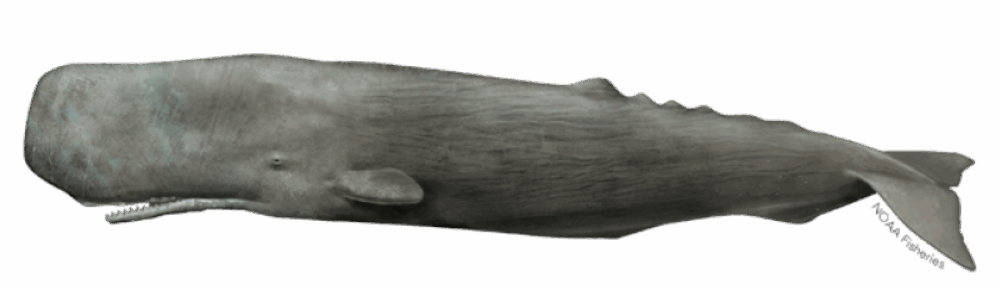
We’re finally near the end of our journey. It took us twelve weeks and a few off days, but reading and discussing Moby-Dick as a class has really paid off. Our destination is on the horizon.
The second half of Chapter 123 has Starbuck sneak into the cabin and stumble upon a musket. It’s a long paragraph, but a part of it that stood out to me is found in the middle of page 559: “But shall this crazed old man be tamely suffered to drag a whole ship’s company down to doom with him?—Yes, it would make him the wilful murderer of thirty men and more, if this ship come to any deadly harm; and come to deadly harm, my soul swears this ship will, if Ahab have his way. If, then, he were this instant—put aside, that crime would not be his.” (Melville 559)
Remember that conversation Starbuck had with Captain Ahab back in Chapter 109 that escalated into Ahab pointing his musket at Starbuck and telling him off? It’s the same musket; “the very musket that [Ahab] pointed at [Starbuck]” (558), and he is reading it just like how Stubb read the doubloon in chapter 99, ruminating on it and contemplating its goods and bads. And it makes me wonder: why is he choosing to read the same musket that he was threatened with by this “crazed old man?”
The musket reading, in essence, is not just a critique on Ahab’s monomaniacal personality, but it also serves as a commentary on power disparities in the social hierarchy: those at the top are harder to take down. Because Ahab is at the top of the hierarchy, Starbuck fears that if the captain were to sink the Pequod with everyone on board, “that crime would not be his.” Even if it makes him “the wilful murderer of thirty men and more,” his name would be cleared rather quickly since he is a very wealthy and powerful (and tyrannical) captain.
A side note: I also think this passage is reflective of today’s American government. We have a 34-time convicted felon president who controls all three branches of government, but despite all he has done, he is somehow still able to win re-election and continue his tyranny. His supporters follow him blindly, and even if he committed a crime or broke a law during his presidency, he would only receive a slap on the wrist because of “presidential immunity.”
It baffles me how people would still support such a president when it’s clear that he is unfit to take on that role. Like Ahab, he is a crazed old man tamely suffered to drag a whole country down to doom with him.
Jesmond, I appreciate your reading of chapter 123. I think it is a smart connection that you compare Starbuck’s reading of the musket to the earlier reading of the Doubloon. Like the doubloon the musket represents a theatrical finish to this doomed journey, but possibly an opposite result. The doubloon resulting in the death of Moby Dick and the musket representing mutiny and the relinquishing of the Pequod’s destined fate. Your comment on the power disparities of social hierarchy are insightful. They blend with my reading of this chapter as one that demonstrates the contemplation and the justification of the civil war.
Great point here: ‘The musket reading, in essence, is not just a critique on Ahab’s monomaniacal personality, but it also serves as a commentary on power disparities in the social hierarchy: those at the top are harder to take down”. Why do you think the chapter is included and that we are asked to read Starbuck reading the musket?
Hi Jesmond,
I like the connections you make between starbucks reading of the musket and the reading of the doubloon in previous chapters. I definitely see the musket as a symbol for power and hierarchy and in contemplating it Starbucks is seriously considering takings power by way of mutiny. He is certain that Ahab is more than capable of getting the crew killed for his senseless vengeance. He also knows that if he stands against Ahab and creates a mutiny, the crime would be completely averted. Starbuck is at a crossroads and feels moral obligation towards the lives on the boat.
Hi Jesmond! I really like the way in which you analyzed this chapter. Bringing in the chapter about the doubloon and comparing it to the way in which Starbuck is handling and considering the musket is so interesting as I hadn’t seen the connection between the two before. I also really love how you connected it to America today. The complicity that Starbuck showcases throughout this novel is so reflective of the citizens of our country today. Our leaders remain corrupt because no one wants to take any action to fix the system, much like how Starbuck refuses to take action to change the order on the ship.