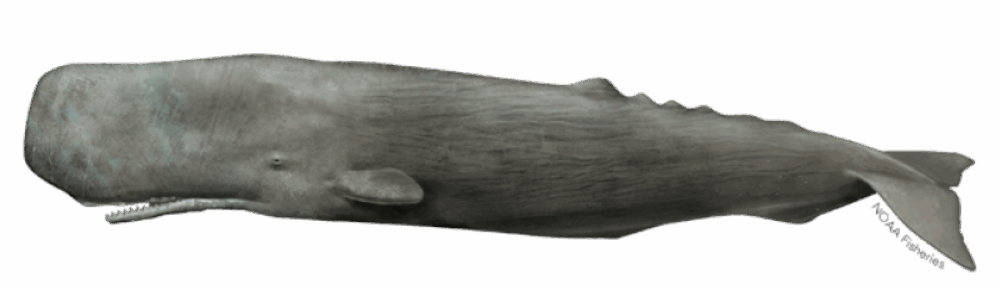
Reading the text vs reading the messages that hide behind the lines of the text, Melville takes us through a story. As he takes us through his story, he stops us in our tracks and makes us look at figures, paintings, and markings. This is how Melville teaches us how to read within reading. These painting and figures he asks us to read teaches us how to read his book, Moby Dick. We have to look further into these markings and paintings that Melville tells us to stop and read, just as we do with text. It’s about stopping, taking a first glance, reading the marking, leaving, and coming back to re-read the same markings. Throughout the whole book, we encounter paintings, figures, and markings, such as the painting in the Spouter Inn, the right whale’s head, the sperm whale’s head, and Queequeg’s tattoos. This book is filled with nuance and long, wordy paragraphs, but then we come across something like the painting at the beginning of the book; he tells us to stop and look with Ishmael. It’s the message within the painting that gives us some answers to the nuance. The art of the lesson that Melville is teaching us is a demonstration of closing reading, to adventure beyond the text and find out why he asks us to look at the right whale’s head and why the details give us (the audience) answers to the nuance that Melville is writing.
With this thesis, I want to close read certain objects, paintings, and figures.
Starting with the painting at the beginning of the book, The Spouter Inn, then the Right Whale’s head, then Queegueg’s tattoos in relation to his coffin, and then I want to close read the markings, such as the marble tables in the chapel. I will discuss why it’s important for us to closely read these non-textual elements within the text and how they teach us to read Moby Dick.
You have been interested in this topic since the very beginning, and it is a vital and substantive one. I think your writing about it has matured in sophistication and clarity. Yet, I would still like to see you articulate a clear claim before you begin. You write, ‘ I will discuss why it’s important for us to closely read these non-textual elements within the text and how they teach us to read Moby Dick.” But can you tell us WHY it is important? I think you are doing that in a sentence that proceed this one, we’re in you teach us that the novel is about reading and teaching us to read the world around us. Not just the text on the page. But you need to make such a claim. This is good, “It’s about stopping, taking a first glance, reading the marking, leaving, and coming back to re-read the same markings.” does that mean that reading is about rereading? Is reading about reading in specific places and context? Is reading about making connections between different media and moments and messages? These are the questions I’d like to see you answering your essay.
You might consider returning to the prefatory readings from the beginning of the term, which are very much about reading and reflecting on reading the novel: Hoare, Philbrick, and Delblanco’s introduction to our edition.. will all help.
Eager to read this one!