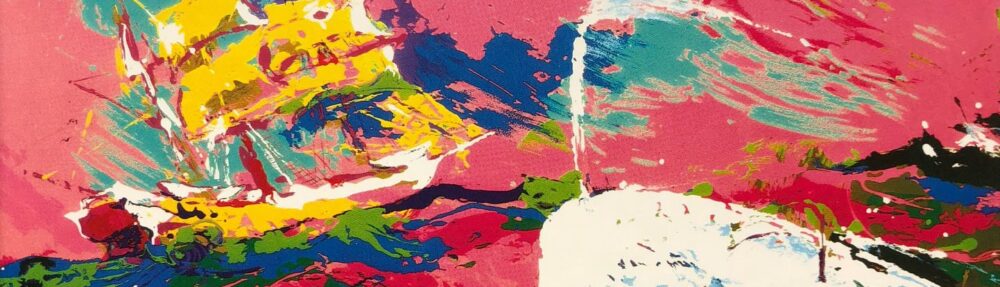
Herman Melville’s Moby-Dick is more than just a story about a whale-it’s a meditation on obsession, fate and the vastness of vastness of nature. The narrator, Ishmael, takes readers on a perilous voyage aboard the Pequod, where Captain Ahab’s relentless pursuit of the white whale consumes the crew. Through detailed descriptions of the sea, whaling life, and philosophical reflections, Melville blends adventure with deep symbolism. The white whale itself becomes a powerful emblem of mystery, resistance, and the unknown forces beyond human control. Reading Moby-Dick is both a thrilling narrative and a challenge to reflect on humanity’s place in the universe.
Imagine a dark ocean horizon where the Pequod sails forward under stormy skies, its sails strained against the wind. Captain Ahab stands on deck, gripping his whalebone leg and pointing his harpoon toward the turbulent waves. Below, the crew works tirelessly, their faces tense, reflecting both fear and loyalty. Suddenly, the massive white from of Moby Dick breaches the surface, scattering water like shattered glass. This dramatic clash of man and nature captures the epic struggle that defines the heart of the novel.
These are good ideas, but I do not see how this is related to the reading from this week– or even which reading you are responding to. Can you please pick a reading and respond to it– picking a quote to write about and explaining WHY that part of the text matters? Please see our CLOSE READING/EXPLICATION page under “Writerly Advice” if you want guidance.