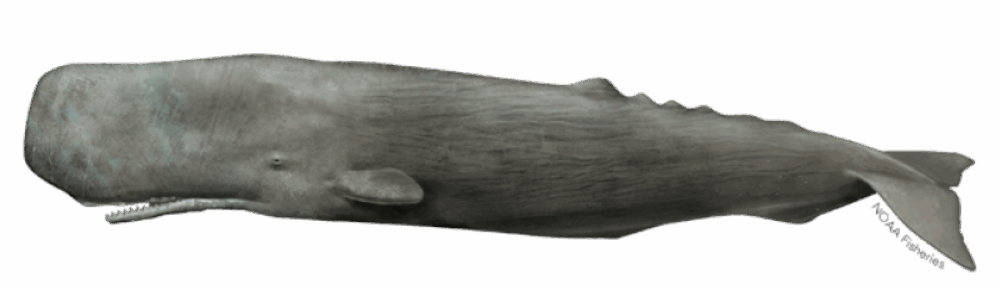
In chapter 113,” The Forge”, Melville transforms Ahab’s pursuit towards Moby Dick into a haunting, obsessive and desire of defying the divine. In this chapter, Ahab’s newly forged harpoon is his last solution to everything that’s become of his obsession, he makes it a symbol of both his vengeance and doom. In the quote, “ This done, pole, iron, and rope-like the Three Fates-…” Melville depicts the harpoon with the myth of “The Three Fates” who represent life and death, but also Ahab’s demise. Through the mythic imagery, sound, tone, and madness, Melville reveals Ahab’s madness and defiance against the divine and transforms him into the victim, but also the pursuer of his own consequences of his actions towards desire of wanting to control something that is beyond the realism of human nature. Melville wants us, the audience, to know the obsession and the definition of rage.
The connection towards the “pole, iron, and rope” to “the Three Fates” connects Ahab’s weapon to Greek Mythology, the story of the three goddesses, Clotho, Lachesis, and Atropos, who are known as the deciders of the past, present, and future, they cut the thread of life, the human life they decide on how long you get to live. The pole is the beginning that holds everything together, this is the moment where Ahab’s journey begins. The iron represents giving the weapon its shape, length, and the purpose of the weapon’s destination. And the rope presents us the connection between the whale and the ship, which it also demonstrates on how rope kills whalers like snapping, entangles and drags men under the sea. It represents the thread of life and how it easily can snap you in an instant. This whole thing is a cycle for Ahab, his destiny has been already fulfilled and he sealed his doom and the crew’s.
“Ivory log, and the sound of the hickory pole, both hollowly ringing along every plank,”(533), the sounds of the leg echoing through the ship creates an eerie, echoing soundscape. His presence is eerie and hollow like a ghost roaming the ship he’s pavemented to. Its sounds symbolize emptiness and death. Ahab’s movements are dominant and doom which gives us a reminder on who he is and his whole concept of revenge in the story. He makes the ship feel melancholic, empty and dark. Melville is already giving us hints, “ piteous” “wretched” and “melancholy” using a tone of tone which it obviously gives us a foreshadowing of the ship’s doom. It slowly becomes the sound of destruction of the ship and of Ahab too. Melville demonstrates in this quote,” Oh Pip! Thy wretched laugh ….”, it shows how the laugh of Pip is a mockery towards everything around mimicking Ahab like a mirror reflecting on his doom and slowly uncontrollable madness.
Ultimately, Melville’s portrayal of Ahab in Chapter 113, reveals about a man who’s beyond the limits of reality and seeking the imagery of a realm beyond the human limits, by sealing his destiny long before the final battle between him and Moby Dick. Through these images, Melville demonstrates Ahab’s attempt of command by taking the role of a God, who’s untouchable and in control of everything around him. Melville demonstrates to us the consequences of men who pursue the urge of power, control and rage.