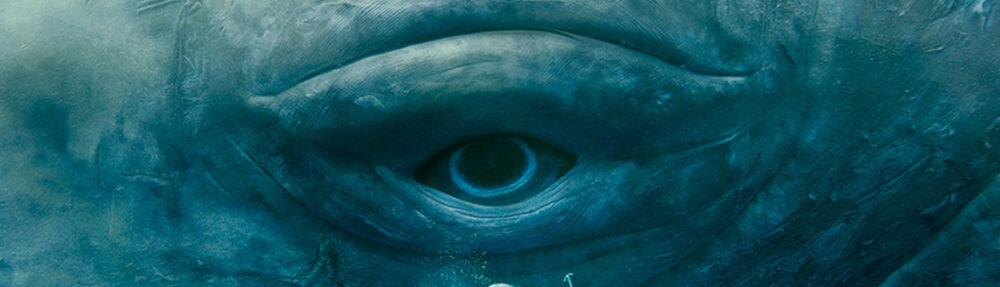
Chapter 61 of Moby-Dick is one of those moments where Melville’s writing feels almost too vivid. Stubb isn’t just stabbing a whale; he’s searching inside it, “churning and churning” as if he’s looking for something precious like a “gold watch.” It’s such a weird, striking image. The idea that inside all this blood and violence, there’s something delicate and valuable, something you could break if you aren’t careful, says a lot about Melville’s view of what humans do when they go after meaning or truth.
What’s fascinating is that the scene reads less like a moment of triumph and more like an act of curiosity turned destructive. Stubb’s “gold watch” isn’t just a metaphor for the whale’s heart, it feels like a metaphor for understanding itself. Humans, Melville seems to say, want to get to the “innermost life” of things, but doing so often means tearing them apart. There’s something darkly poetic about that.
And then there’s the whale’s death, that “boiling spray,” that “phrensied twilight.” The language feels almost cosmic, like nature is fighting back, and the sea itself is throwing a tantrum. It’s not clean or noble; it’s ugly, chaotic, and way too close to madness. By the time the ship struggles out into “the clear air of the day,” it’s hard to tell if they’ve won or barely survived.
This scene reinforces a reoccurring theme of Moby-Dick: humans probing too deep, wanting too much, and finding themselves caught in the mess of their own curiosity. Stubb’s careful “churning” might sound methodical, even calm, but underneath it is the same restless drive that defines the whole novel: that urge to pierce the mystery, no matter what it costs.
Hey Martin!
I haven’t got to reading chapter 61 yet for this week 9, but from the previous set of chapters, 42-57, I can’t help but connect your idea to the theme of desiring vain things for the purpose of it, and then facing karma at the end for dealing with nature in the first place. I like how you alluded to how getting the innermost things in life gets you into this mess, and I can’t help but also think of how individual romanticization and true human free will is doomed to the system’s punishment of death. Because one did not act in accordance to their roles in the social ladder, limited autonomy plagues them and one has no choice but to intellectualize the feeling into something attributively vain in equivalence, materiality, in order to describe the thing that haunts them.
Wonderful post! You are so right to note: “What’s fascinating is that the scene reads less like a moment of triumph and more like an act of curiosity turned destructive”. Indeed, this could be the kernel of a thesis statement for a longer essay. Eager to hear more on this in class!