I initially skimmed through Emerson’s text, then had about three headaches and took a couple Tylenol just to understand at least two points: American scholars should be thirsty for knowledge and form their own identity instead of copying others. I am probably on my 4th read before passing out again, and that’s still all I can figure out.
About the two points I did find, I… agree? I don’t really know what else to say because they seem straightforward enough. You’re not a scholar when you don’t want to learn, and America is known for using other cultures and blending them, which I guess is a tradition of its own. I don’t know, I came here because I was gaslit into thinking I’d meet Spider-Man when I was about to turn 8.
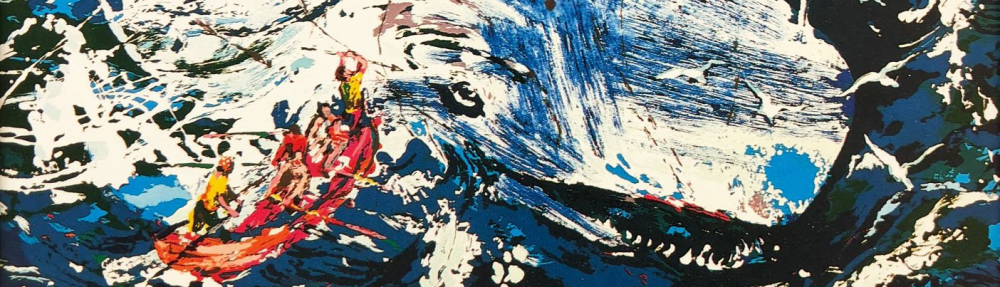
At the very least I can comprehend King’s article and, I’m probably messed up for this, but I find it amusing that they became cannibals after trying to avoid islands of them. I guess it made sense when King included “Cannibalism in the most dire of circumstances, it was reasoned, was a custom of the sea,” but it’s still a terrifying thought. There goes any hope of ridding my thalassophobia.
Tag Archives: americanscholar
My thoughts on “The American Scholar”
Ralph Waldo Emerson’s “The American Scholar” is easily established as an inspiring piece. One that incites progress concerning American education and societal advancement during a tumultuous time in American history, the 1830’s. Considering turbulence, many are quick to cite the struggle over slavery and the oncoming civil war. But something else was happening in the United States at the time. In 1830 The Indian Removal act was signed into law by Congress under President Andrew Jackson. Thousands of Native Americans were forcibly removed from their southeastern homelands and made to march the fatal “Trail of Tears” to Oklahoma. Because of this, I find a tremendous amount of irony in “The American Scholar” regarding Emerson’s beckoning for man to connect with nature. “Ever the wind blows; ever the grass grows… the scholar is he of all men whom this spectacle most engages” (paragraph 10). Emerson poetically asserts that the scholar who recognizes the unimaginable amount of learning to be had in nature is on the path to possess intellect. To engage with the awes of nature is to engage with one’s place in the world and therefore one’s understanding of it. Is not the principle belief held by Native American culture based on recognizing the importance of the intricacies of nature? This cultural significance, the reverence of nature, is what led our WASP settlers to judge these people as barbaric. Native Americans possess this engagement with the spectacle of nature. To make these claims while they are deemed savages and marched to the brink of death is harrowing. Now, I am not here to punish Emerson for the crimes of the United States government, nor place blame on him for this irony. It is most likely that he hardly, if at all, knew what was happening on the Trail of Tears, or any extent of Native American culture. I only aim to uncover a tragic irony. And a paradoxical instance that is assumed by our government. Beholding a white man for arousing intellectual connection with the natural world, while nature revering “savages” are being advanced to their impending doom.