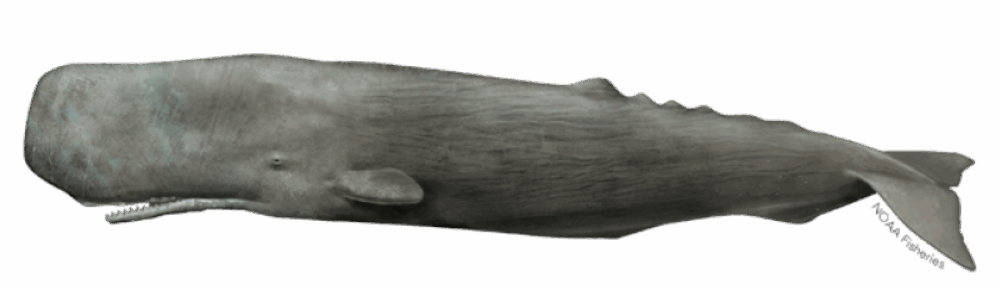
One part of the reading that stuck out to me this week was the idea that as the sea becomes less relevant to the workforce, it becomes bigger in the cultural imagination. This is such a transition of thought, and maybe why we have more environmental awareness about the ocean. Instead of using the ocean as something for profit and to sustain ourselves, it becomes a cultural idea, and as it becomes personified, we feel more reason to protect it. As we create this cultural idea/fact that the ocean is alive, we can also see this idea of it being helpless, and want to protect it. Similar to a puppy, maybe.
Gillis brought up this idea of the growing cultural imagination in the context of how the humanities shape our knowledge of the ocean. Right now, I think the ocean is such a signifier of wealth. Real estate properties are higher by the ocean, and it is considered a luxury to be able to go to the beach. I don’t know if this holds true everywhere, though. In Japan, not all of the coast was as valued as living in a big city, like Tokyo. I would be interested in exploring what differences there might be in the value of the ocean in the US versus Japan. In California, anywhere on the coast is expensive and valuable, but I went to plenty of coastlines in Japan that weren’t populated or seemingly expensive. How we view something and the cultural value we place on it is simply that.
I also think it should be noted that our idea of the ocean in the cultural imagination is so limited. When we think of going to the ocean, it is simply to go to the seashore, maybe dip our bodies in for a few minutes. When the ocean was more relevant to the workforce, thoughts of the ocean must’ve been so different. I doubt many thought of white sandy beaches; rather ports with large ships and months of journey.
Great ideas and insights pulled from the text. I would like to see you ground them a bit more in the text, in actual citations of quotes, but the thinking is smart and so relevant– both to our reading of Moby-Dick and the relevance of that act today. As you write, “When the ocean was more relevant to the workforce, thoughts of the ocean must’ve been so different. I doubt many thought of white sandy beaches; rather ports with large ships and months of journey. “
I find it really interesting that you bring up the comparisons of coastal property prices as well as the regard held for the beach between the US and Japan. You write: “When the ocean was more relevant to the workforce, thoughts of the ocean must’ve been so different. I doubt many thought of white sandy beaches; rather ports with large ships and months of journey.” As one of the countries with the highest fish consumption, Japan is one place where the ocean is still relevant to the workforce. So, maybe that is why the beach is not coveted in the same way that it is in US culture. Not only that, but Japan still practices commercial whaling. I wonder if whaling propaganda contributes to the low coastal population in Japan.
Hey Sophia, I really liked what you brought up in the second paragraph about the differences in coastal areas in Japan versus the US. Honestly I had just assumed that any coastal town anywhere in the world would be considered luxurious, so it’s interesting for me to learn that it’s really just dependent on the beach culture of the country. It makes me think about how we learned that going to the beach to relax or to have fun is a relatively modern concept. I also like what you brought up in the last paragraph about how people think of the ocean depending on their culture, something we think of as a leisurely activity in the US, whereas in other countries it’s seen as something purely just for workforce.
Sorry, I was logged out while writing this reply, this is Jimmy Dirstine.
Your post brings up some really thoughtful points about the shifting perception of the ocean, from a source of livelihood to a symbol within our cultural imagination. I especially liked your comparison of the ocean to a puppy, helpless and in need of care, as it captures how emotional and symbolic our relationship with nature has become.