As we learn about blue humanities and sail through histories carried through bodies of water, we must confront the way colonization and imperialism have inherently shaped a culture of the ocean as a tool of the oppressors. While discussing language as a means to dissolve the invisible and terrestrial boundaries imbued by bureaucracy and imperialism, we delve into the history of lands discovered through ship sightings, a history of colonization spreading and arriving by ocean, and a legacy of human cruelty carried across oceans. I think about how the expansion of our language, or deterritorializing, might help us to decolonize a language and a sea of peoples so fragmented and disoriented from movement. Steve Mentz Deterritorializing Preface offers insight into how to Blue humanities, and the ungrounding of our language might help bridge the gap between “our shared cultural history.”
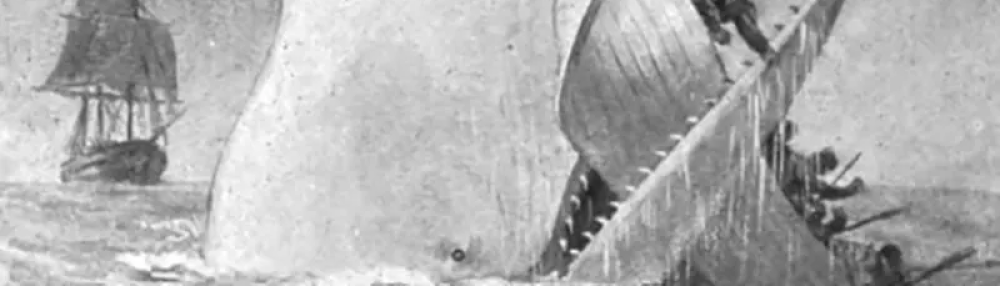
This complex relationship with the ocean is confronted through the Ship. In this effort to decenter the terrestrial, the ship replaces the state, which “the dissolving force of oceanic history works against nationalism, though at times it may also tend in the directions of global or even imperial totality.(xvi)” The prevailing symbolism of the ship is, to many, an agent of imperialism and capitalism. The ship offers us a way to discuss the converging politics of the world, which have disrupted, uprooted, and scattered humans and cultures throughout the globe.
While the ship offers an alternative understanding of hierarchy, community, and civilization, it also holds a fragile relationship with the shifting chaos of the sea, and the places it visits, disturbing and changing the fragile ecosystems it comes into contact with.
Wonderful post and ideas, built from the text, that will guide our understanding of this ship-placed novel. Good work here, on insights and analytical writing.
Hi Angelina, I think you’re right that the ship carries a legacy of imperialism and capitalism, but what stood out to me in your post is how you also describe its fragility in relation to the sea. It makes me think about how the ocean doesn’t just carry histories of oppression, it also pushes back against human attempts to dominate it. Ships may symbolize hierarchy and power, but once they’re at sea, they’re always vulnerable to being overturned, rerouted, or wrecked. That tension between control and chaos feels central to Blue Humanities because it reminds us that the ocean has its own agency in shaping history.